
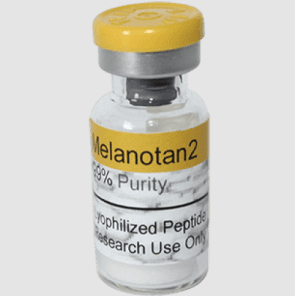
Melanotan 2: Science, Use Context, and Responsible Awareness
Melanotan 2 is mostly talked about in regards to skin coloration and synthetic peptides. Many people first come across the word while looking into tanning alternatives or melanocortin research. A subject that connects biology, appearance and emerging science, thereby attracts attention. Nevertheless, online information tends to be disjointed or ambiguous.
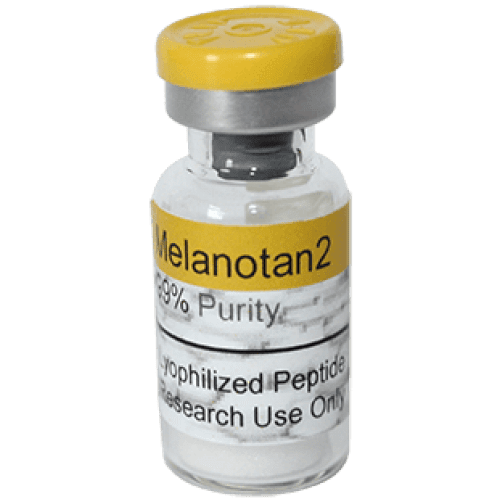
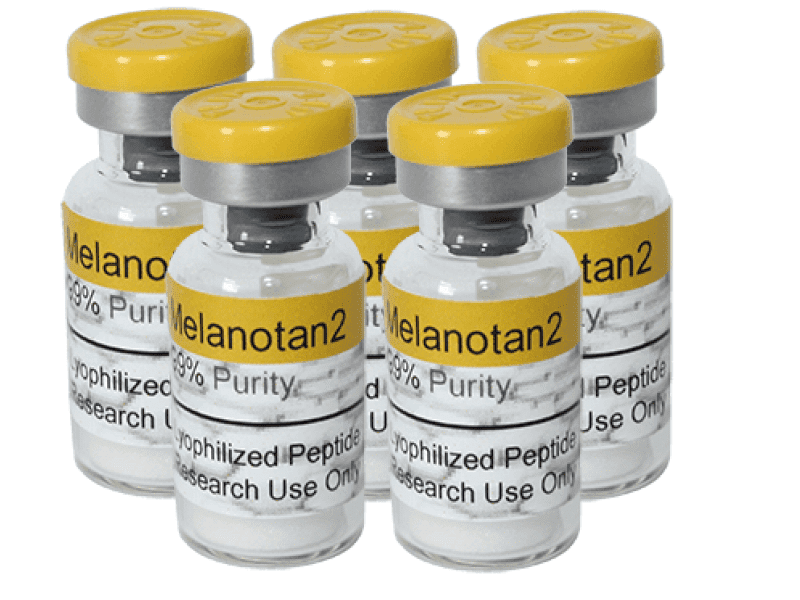
Melanotan 2 is a laboratory-produced peptide. The compound was developed to engage with the melanocortin receptors impacting melanin synthesis. Melanin is a pigment that gives skin its tone and contains the potential to protect skin against the sun’s ultraviolet rays. The compound is involved in pigmentation contexts as this biological link shows.
Melanotan 2 is not endorsed as a cosmetic or medical treatment in a number of regions. It is designated by most health authorities as unapproved. There are questions about safety, quality, and long-term effects.
This article provides an informative overview. It defines what Melanotan 2 is, why it is queried and how it differs from traditional approaches. This is not instruction or promotion, but understanding and safety.
Melanotan 2 what is it and why is it discussed?
The research on melanocortin receptors led to the development of Melanotan 2. These receptors are involved in pigmentation and other biological effects. Scientists first studied these peptides to learn how skin responds to sun exposure.
The compound is often characterized as a melanocortin-oriented peptide. In layman’s terms, it is otherwise called a tanning Kit. The above terms are related to the melanin pathways, not medical.
A social media discussion on Melanotan 2 emerged due to online communities discussing tanning alternatives. The concept of affecting color without sun exposure fascinated individual. But just because a study is popular doesn’t mean it’s been scientifically approved.
Regulatory organizations in many countries have warned against. They are concerned about uncontrolled release and unknown purity. The lack of standardized manufacturing prohibits product consistency.
| Feature | Melanotan 2 | Approved Dermatology Care |
| Regulatory approval | Not approved | Fully regulated |
| Manufacturing oversight | Often inconsistent | Strict standards |
| Clinical guidance | Absent | Professional supervision |
| Long-term safety data | Limited | Well documented |
This comparison shows why understanding context matters.
Melanotan 2’s Impact on Biological Systems
Melanotan 2 is discussed for its melanocortin receptors interactions. Melanocytes’ melanin production is altered by these receptors. Melanocyte activity increases upon stimulation.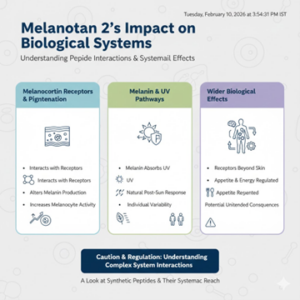
Pathways Related to Melanin and Pigmentation
The skin absorbs ultraviolet radiation thanks to melanin. After sun exposure, the body naturally produces melanin. Researchers study peptides like Melanotan 2 to understand this response.
Each person processes the information differently. A person’s genetics, skin type and health shape their response to UV exposure. This not ensures predictable outcomes.
Wider Biological Effects
Melanocortin receptors are present outside skin. They participate in regulating appetite and maintaining energy balance. This is why the reported effects are not just pigmentation.
Unintended consequences may occur as many systems are involved. Such complexity acts as a speed bump urging caution and regulation.
Melanotan 2 versus the Conventional Tanning Approaches
Melanotan 2 is often likened to sun exposure or Tanning Nasal Spray. The mechanisms of the two are quite different, although both refer to the color change of the skin.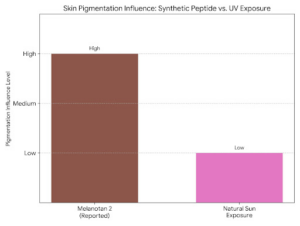
- As compared to natural tanning solutions, Melanotan 2 has a powerful effect.
- Sun is relatively lesser among all natural pigmentation factors.
- Synthetic peptides are designed to target the biological process through which the body produces melanin, producing more significant reported results.
- Peptide-based approaches have been claimed to induce pigmentation changes that are more rapid and consistent than those reliant on external UV sources.
- According to the analysis, the skin tone is affected differently if the exposure is a targeted synthetic one as opposed to a general environmental one.
Considering Safety Measures and Information
Critically evaluate Melanotan 2 Pen how it works Scientific proof should not be replaced by marketing language. It’s necessary to know the regulatory status of your competitor firms.
Health authorities are warning about unapproved peptides. Fears of contamination, mislabeling and no dosage standards. The impact of long-term effects is not studied yet.
A reliable understanding should come from sources that are verified by professionals. Being aware doesn’t mean agreeing.
Below are the crucial elements
- Several nations send out regulatory alerts.
- Clinical research is limited long term.
- Quality of manufacturing is variable.
- Biological differences within individuals.
- These aspects lend themselves to a cautious one
Final thoughts on Melanotan 2
Melanotan (also known as Melanotropin) is a peptide that increases pigmy. The scientific background explains the interest it receives. low approval of Studies and limited research create large uncertainty
Trutan Education and safety are priorities through responsible perspective. When we understand the biological mechanisms at work, we can separate fact from fiction. It also illustrates the need for caution.
Readers can stay on top of Melanotan 2 talk with a focus on verified information and health-first thinking. Awareness that is informed supports better decisions and realistic expectations.
Related Posts
This Post Has 0 Comments