
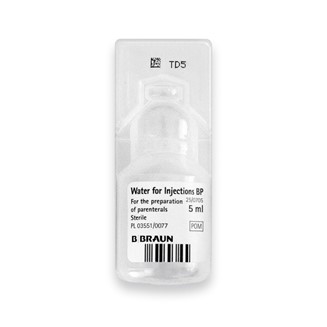
The Essential Guide to Injectable Water: Uses, Benefits, and Safety
Injectable water is one of the necessary things in the medical field. Basically, it is used in different medical procedures such as the dilution of medications, intravenous hydration, and injections. Although it looks like a very simple product, injectable water is the first line of defense in health care systems, thus being the safety and the quality of patients treatments. In this article, we go deeper into the topic of injectable water exploring its application, differences compared to regular water, and the advantages it provides in the medical field. In fact, if you are a medical professional or simply interested in the field, you will find this article very informative.
What Is Injectable Water?
Injectable water is a water in its most pure and sterile form that is used for medical and pharmaceutical use only. Compared to normal tap water, it is thoroughly purified and sterilized to guarantee that it is free of pollutants and bacteria that might lead to infections. Usually, it is a kind of water used to make drugs less concentrated, to set up intravenous solutions, or to give fluid to the patients.
Key Characteristics of Injectable Water
Injectable water is characterized by the following features:
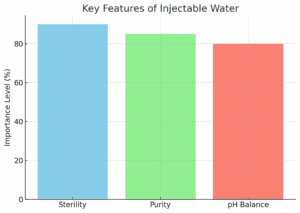
Injectable water is one of the essential materials for various medical operations that can make the process of drug delivery into the body easier and safer.
Why Is Injectable Water Necessary in Medicine?
Injectable water is definitely not a common water; the solution is the major contributor to the healthcare industry. This is the reason it becomes indispensable in medical treatments:
Dilution of Medications
A lot of drugs, for example, concentrates in which are in concentrated forms, should be diluted first before being given to the patient. This dilution process can be made perfectly with the use of injectable water as a medium. By mixing injectable water with concentrated medications, healthcare providers will be able to administer the correct dosage which, in turn, will decrease the chances of overdose or other complications.
Injectable water is a component in intravenous (IV) therapy, which is a method of direct infusion of fluids into the patient’s bloodstream. Patients who are incapable of oral drinking or have difficulties with absorption may be rehydrated and their fluids can be replenished through the use of injectable water. For instance, it is injected intramuscularly in the case of an emergency, during operations, or when the patient is getting better after the illness.
Safe for Injection
Water for injection is made as a bacteria-free sterile solution, which is the reason it is considered safe injected. In contrast, if there water which is full of impurities, it will cause infections, undesirable reactions, and perhaps even serious secondary effects. For that reason, the patient’s safety by far is the most essential task in the water being made completely free from bacteria.
Water for injection is the first choice in many medical institutions such as hospitals, clinics, and outpatient facilities. The instrument of its versatility has it being indispensable for a wide range of therapies and medical operations, going from the administration of intravenous fluids to drugs.
Injectable Water vs. Regular Water: What’s the Difference?
If water is destined for injection, it may look the same like regular water however, there are still a lot of differences between them. Here is a comparison between injectable water and regular tap water, describing the major differences.
| Feature | Regular Water | Injectable Water |
| Sterility | Not sterilized | Sterilized |
| Additives | May contain minerals, chlorine, etc. | Free from additives |
| Purpose | Consumption, daily use | Medical and pharmaceutical use |
| Purity | Can contain contaminants | Completely pure and free from bacteria |
- Sterility: Injectable water undergoes a sterilization process, making it safe for medical use. Regular water, on the other hand, is not sterile and contains various impurities.
- Purity: Injectable water is free from any additives, minerals, or contaminants. In contrast, regular water may contain minerals or chemicals, depending on the source.
- Usage: While regular water is safe for drinking and everyday use, injectable water is specifically formulated for medical use and is not intended for consumption.
How to Safely Use Injectable Water
Using injectable water correctly is essential for ensuring patient safety and the success of medical treatments. Here are some tips for safe use:
Always Use Sterile Equipment
When working with injectable water, ensure that all equipment, such as syringes, needles, and vials, are sterile. This helps prevent contamination and infection.
Proper Storage
Store injectable water in a cool, dry place, away from direct sunlight. Follow any storage instructions provided on the packaging to maintain the sterility and effectiveness of the product.
Do Not Use Expired Water
Check the expiration date on the injectable water packaging before use. Expired injectable water should never be used, as it may no longer be sterile or safe for use.
Follow Medical Guidelines
Always follow the instructions provided by healthcare professionals or the manufacturer. Injectable water should be used according to the prescribed dosage and administration guidelines to avoid complications.
Injectable Water in Medical Treatments: Common Uses
Majority of injection water is used as water for injection drugs preparation.
- The majority of injection water is used in the preparation of injectable drugs.
- It plays a vital role in making vaccines, antibiotics, and other injectable medications safe for use.
- Water serves as the main agent for proper dilution of the medication.
- Correct dilution ensures the right dosage is administered to patients.
Emergency Hydration
The use of injection water in emergency cases of dehydration is an example of another application of water for injection. It can be put in an intravenous line thus rehydrating the body with lost fluids and electrolytes in a very short time.
Water for injection is also used in laboratories and research settings for the preparation of solutions, the dilution of substances, and the conduct of experiments. Among various scientific uses, its purity makes it the ideal one.
The Importance of Injectable Water in Healthcare
To end on a high note, water for injection, inter alia, is the lifeblood of safe, accurate, and efficacious medical and pharmaceutical applications that span a wide variety of areas. Its use, ranging from the medication dilution to hydration provision and injection facilitation, is both valuable and necessary. In the event of a correct utilization, injectable water is an instrument of infection prevention, of medication dosing of accuracy, and of provision of hydration in critical care situations.
Water that is injectable in Trutan, for the medical staff and healthcare centers, should definitely be available on a regular basis. The requirement of safe procedures in the handling, storage and usage will guarantee the health and safety of the patients and the success of the treatment. It is always necessary to make sure that water for injections has been stored and used according to the standards and that the quality has not been compromised at any time.
Questions people often ask about Injectable Water: Product Details and Buyer Notes
What details matter most for Injectable Water?
Quantity, format, packaging notes and the related product category are the most important details to check.
Is this a main product or a support item?
Supply items usually support a wider kit, vial or category pathway, so they are best reviewed alongside the relevant parent page.
Where should I go next?
Review Tanning Injection Supplies, then compare it with Tanning Injections or Melanotan 2 Tanning Injection Kits if the item connects with a wider kit choice.
Explore the next Injectable Water: Product Details and Buyer Notes guides and options
Tanning Injection Supplies
See the separate supplies often bought alongside kits and vials.
Tanning Injections
Compare the options readers usually weigh up next before choosing.
Melanotan 2 Tanning Injection Kits
View the details and related information.
How to Use Melanotan 2
Read more about this topic.
Related resources to explore next
These related resources help you continue from this page into the most relevant next details.
Injectable Water: Meaning, Medical Role, Safety, and How Sterile Water Products Are
Use this related resource when you want the next practical detail around Injectable Water: Meaning, Medical Role, Safety,.
The Essential Guide to Injectable Water: Benefits and Uses
Use this related resource when you want the next practical detail around Essential Guide to Injectable Water: Benefits.
Related Posts
This Post Has 0 Comments